
Home » Posts Page » How to remove skin tags?
Noticed a small, soft lump hanging from your skin and wondering what it is? Chances are, it’s a skin tag — a common, harmless growth that often appears on areas like your neck, underarms, or eyelids. While they aren’t dangerous, many people choose to remove them for comfort or cosmetic reasons.
Happy Patients
Disease
Hospitals
Cities
Skin tags are small, soft, skin-coloured growths that hang loosely from the skin. Medically known as acrochordons, they are completely harmless and often develop in areas where the skin folds or rubs against itself, such as the neck, armpits, or under the breasts. They have a soft, slightly wrinkled texture and are usually the same colour as your skin or slightly darker. These growths can range in size from a few millimetres to several centimetres.
Skin tags are common in both men and women, particularly after middle age. Although they do not pose any health risks or turn cancerous, many people choose to remove them if they cause irritation, get caught on jewellery or clothing, or affect appearance and confidence.
The exact cause of skin tags isn’t fully understood, but several factors contribute to their development. Friction from skin rubbing against skin or clothing is one of the main reasons. People who are overweight tend to have more skin folds, which increases the likelihood of developing skin tags. Hormonal changes during pregnancy also play a major role, as do conditions like type 2 diabetes, which are linked to insulin resistance.
Genetics can also make some people more prone to skin tags, and the likelihood of developing them increases with age. In short, anyone can get skin tags, but they are especially common in adults who are overweight, pregnant, or have a family history of skin growths.
Skin tags can appear anywhere on the body, but they are most often found in areas that experience frequent friction or moisture. The neck is one of the most common areas because of rubbing caused by clothing or jewellery. Underarms are another hotspot, where movement, sweat, and shaving can contribute to their formation.
They also frequently appear on the eyelids due to constant eye movement and thin, delicate skin. Women often develop them under the breasts where tight bras and skin folds create friction. They can also appear on the inner thighs or groin area because of tight clothing and walking, and sometimes around the buttocks where the skin rubs during movement.
Many people mistake skin tags for warts or moles. However, they are quite different. Skin tags develop mainly due to friction or hormonal changes and are soft and flesh-coloured. Warts, on the other hand, are caused by the human papillomavirus (HPV) and have a rough, hard surface. Warts can spread through contact, whereas skin tags are not infectious.
Moles are clusters of pigmented cells that can be flat or raised, and they usually appear in areas exposed to the sun. While skin tags and moles are typically painless, warts can be uncomfortable, especially on the feet or hands. Understanding the difference helps in choosing the right treatment method.
In most cases, skin tags are completely harmless and don’t require medical treatment. They do not turn cancerous or cause any health issues. However, you might consider removing them if they cause irritation, get caught on clothing or jewellery, or if you feel self-conscious about their appearance.
It’s important to make sure the lump is indeed a skin tag and not something else. If you notice that it changes in size, colour, or texture, it’s best to get it checked by a dermatologist at HeptaCare Health for a proper diagnosis.
Removing skin tags can be simple, but it’s important to do it safely. You can either try home-based methods or opt for professional treatments. However, at-home removal should always be approached with caution, as misidentifying a mole or wart as a skin tag can lead to complications.
Some people try tying a skin tag with string or dental floss to cut off its blood supply. This may cause the tag to dry and fall off after a few days, but it carries the risk of infection or pain. Over-the-counter freezing kits, designed mainly for wart removal, can also work for small tags but must be used carefully to avoid skin burns or irritation.
Other home remedies include applying apple cider vinegar or tea tree oil to dry out the tag. However, these natural remedies have little scientific support and can cause skin irritation or burns. Topical creams that claim to remove skin tags are also available, but most lack proven effectiveness and may cause allergic reactions.
If you attempt home removal, always clean the area properly, avoid cutting the tag with scissors or blades, and never try to remove tags near sensitive areas such as the eyes, nose, or genitals. When in doubt, consult a dermatologist for safe and professional advice.
At HeptaCare Health, our dermatology specialists offer advanced, safe, and precise skin tag removal treatments with minimal discomfort and quick recovery. Unlike home remedies, professional procedures ensure complete removal and prevent infection or scarring.
The most common medical procedures include cryotherapy, where liquid nitrogen freezes the tag and it falls off naturally after a few days. Electrosurgery uses controlled electric current to burn off the tag, providing fast and effective results. Surgical excision involves cutting the tag off under local anaesthesia, giving instant removal with minimal bleeding. For those seeking precision and a cosmetic finish, laser removal uses focused light energy to vaporise the tag tissue with little to no scarring.
Professional removal is highly recommended, especially for tags on the face, eyelids, or sensitive areas, as it ensures safety, hygiene, and the best cosmetic outcome.
Warts are small, rough skin growths caused by HPV and are contagious, unlike skin tags. They can appear on the hands, feet, face, or even genitals. Treatment focuses on destroying the virus and the infected tissue. Common treatments include salicylic acid-based creams that gradually peel away the wart, cryotherapy to freeze the wart, cantharidin applications that cause blistering, and advanced options like electrosurgery or laser therapy for stubborn cases.
You should never use wart removal products on skin tags because they contain acids meant to kill virus-infected cells, which can harm healthy skin. If you’re unsure whether your growth is a wart or skin tag, consult HeptaCare Health for an accurate diagnosis before applying any treatment.
Even though skin tags are harmless, removing them without proper care can lead to complications. The most common risks include infection if the area isn’t cleaned properly, bleeding if a blood vessel is cut, and scarring if the removal is done improperly. Some people experience temporary darkening or lightening of the skin after procedures like cryotherapy or electrosurgery.
Incomplete removal can cause regrowth, especially when home methods fail to remove the entire base of the tag. The biggest risk, however, is misdiagnosis — mistaking a mole or wart for a skin tag. Treating a mole incorrectly can delay the detection of serious conditions, including skin cancer. Always have a dermatologist confirm the diagnosis before removal.
Avoid removing skin tags from high-risk areas such as the eyelids, genitals, nose, or near veins, as these require professional care.
Skin tags may be harmless, but removing them safely can greatly improve your comfort and confidence. At HeptaCare Health, our expert dermatologists provide advanced, scar-free, and painless skin tag removal treatments using laser and electrosurgical techniques.
With clinics in Visakhapatnam, Vijayawada, and Hyderabad, HeptaCare Health ensures you receive world-class care, accurate diagnosis, and lasting results.
Say goodbye to unwanted skin tags the safe and confident way — with HeptaCare Health.
Visit: www.heptacarehealth.com
Call: +91 79898 32859
Follow us: Facebook | Instagram | YouTube
While there’s no guaranteed way to prevent skin tags, maintaining healthy skin habits can reduce the likelihood of developing them. Keeping your weight under control helps minimise skin folds and friction. Clean and dry skin reduces irritation and bacterial buildup. Wearing loose, breathable clothing prevents rubbing, and applying anti-chafing creams or moisturisers creates a protective barrier.
If you have diabetes or insulin resistance, managing your blood sugar through diet and exercise can lower your risk. Avoid jewellery that frequently irritates the skin, especially necklaces or bracelets that rub the same area repeatedly.
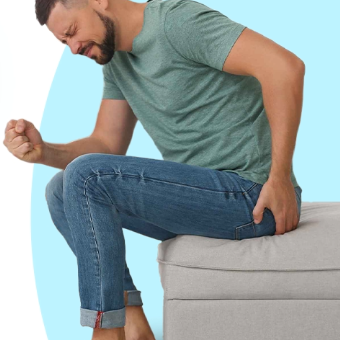
Get relief from painful piles with advanced laser treatment.
Minimally invasive, no stitches, same-day discharge…

Heal painful anal fissures with advanced, non-surgical care.
Quick relief, minimal downtime, expert proctology support…

Treat anal fistula with safe, advanced procedures.
Minimally invasive care with faster recovery.
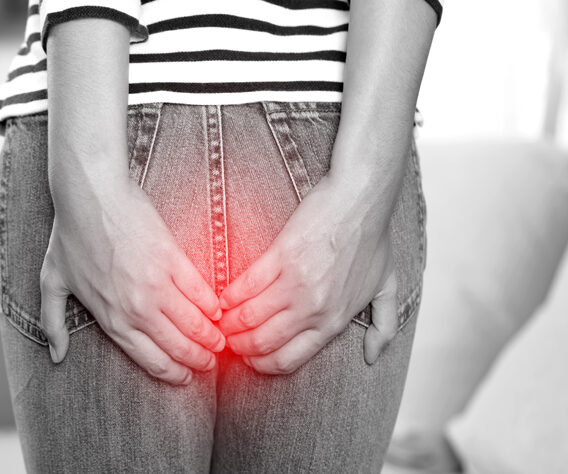
Get permanent relief from pilonidal sinus with laser surgery.
Painless procedure, quick healing, same-day discharge.

Advanced treatment for rectal prolapse by expert surgeons.
Safe procedure, minimal pain, long-term relief.

● piles laser surgery cost in Vizag ● low-cost piles surgery in Hyderabad ● cashless piles treatment near me ● painless piles surgery in Vijayawada ● piles treatment with insurance in Vizag ● piles removal surgery cost in Hyderabad ● piles operation packages in Vijayawada ● affordable piles treatment near me ● piles laser treatment clinic in Hyderabad ● piles doctor consultation charges in Vizag ● best piles surgery cost in Vijayawada ● piles treatment hospital near me ● piles laser operation price in Hyderabad ● low-cost piles laser treatment in Vizag ● piles removal cost near me ● piles treatment with EMI in Vijayawada ● piles surgery specialist near me ● piles surgery packages in Hyderabad ● piles treatment clinic near me ● piles laser surgery near me
Disclaimer: **The result and experience may vary from patient to patient.. ***By submitting the form or calling, you agree to receive important updates and marketing communications.
Getting an accurate diagnosis can be one of the most impactful experiences that you can have.
cure with care
Copyright © 2025. All rights reserved.
Consult with our expert surgeon for more than 50+ diseases
Happy Patients
Hospitals
Cities